

The Secret Of A Perfect Salad: Fresh In Every Bite
Healthy Eating

Search here...
Search here...


A truly satisfying salad is about more than just fresh greens—it’s about balance. By combining the right mix of proteins, healthy fats, fiber-rich vegetables, and wholesome carbohydrates, you can create a salad that keeps you energized, full, and satisfied for hours while still tasting amazing.
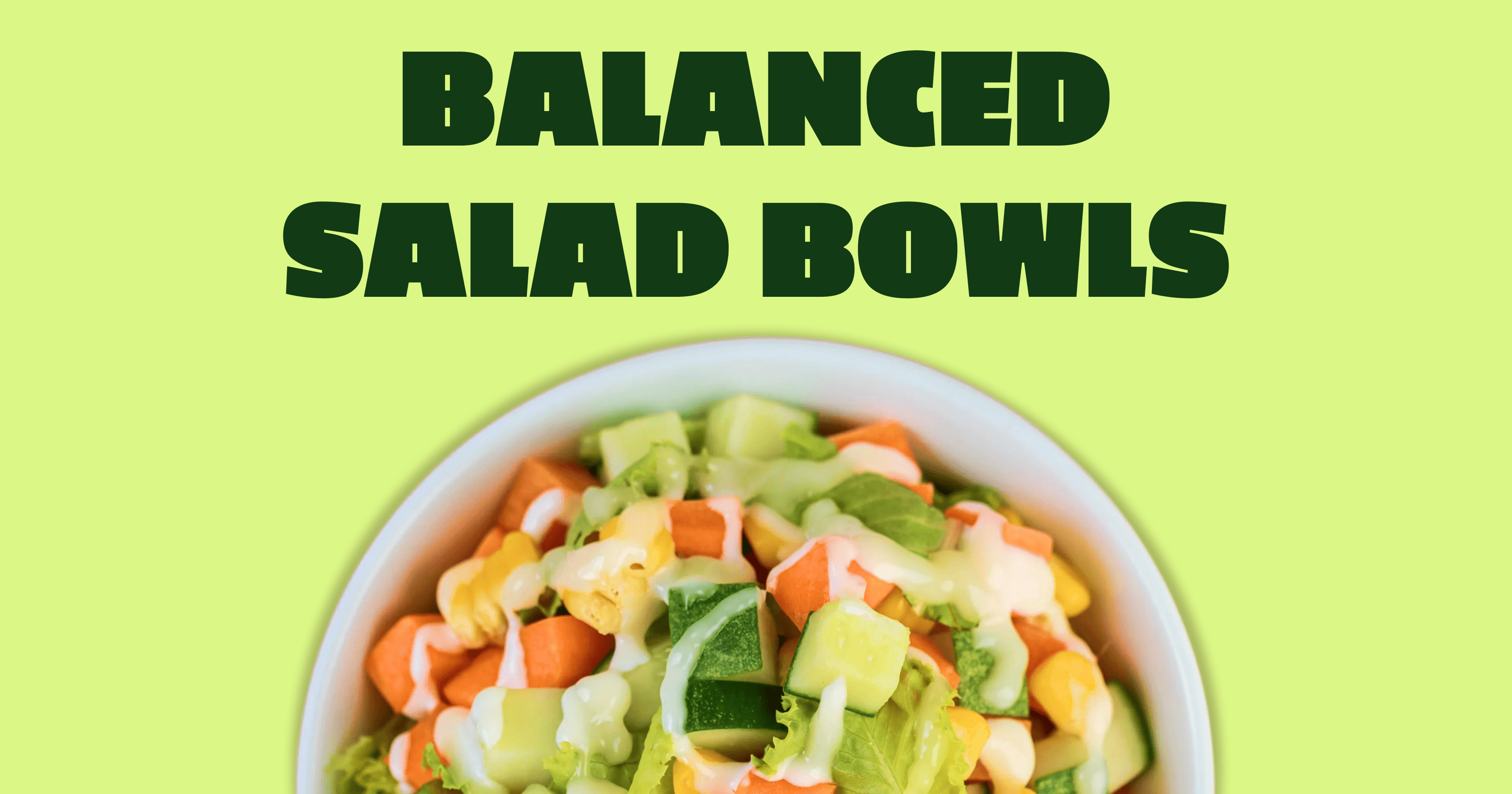
Essential Components of a Balanced Salad
Building a balanced salad starts with understanding what your body needs. A thoughtful combination of nutrients not only enhances flavor and texture but also helps control hunger and maintain steady energy levels throughout the day.
Key Ingredients:
Leafy greens like spinach, kale, or romaine for volume and nutrients
Protein sources such as grilled chicken, eggs, tofu, beans, or chickpeas
Healthy fats like avocado, olive oil, nuts, or seeds
Complex carbohydrates including quinoa, brown rice, or sweet potatoes
Tips for a Balanced Salad
Protein and fiber are the foundation of a satisfying salad. Protein helps repair and fuel your body, while fiber slows digestion, keeping you full longer and preventing energy crashes.
Quick Balanced salad Boosters
Small additions can make a big difference when it comes to fullness and flavor. These ingredients add texture, nutrition, and staying power without overwhelming your salad.
Roasted chickpeas or lentils
Nuts and seeds like almonds, walnuts, or pumpkin seeds
Whole grains such as farro or barley
Fresh herbs for flavor without extra calories
“A balanced salad fuels your body with protein, fiber, and healthy fats—keeping you full, energized, and satisfied long after the last bite
Essential Components of a Balanced Salad
Building a balanced salad starts with understanding what your body needs. A thoughtful combination of nutrients not only enhances flavor and texture but also helps control hunger and maintain steady energy levels throughout the day.
Key Ingredients:
Leafy greens like spinach, kale, or romaine for volume and nutrients
Protein sources such as grilled chicken, eggs, tofu, beans, or chickpeas
Healthy fats like avocado, olive oil, nuts, or seeds
Complex carbohydrates including quinoa, brown rice, or sweet potatoes
Tips for a Balanced Salad
Protein and fiber are the foundation of a satisfying salad. Protein helps repair and fuel your body, while fiber slows digestion, keeping you full longer and preventing energy crashes.
Quick Balanced salad Boosters
Small additions can make a big difference when it comes to fullness and flavor. These ingredients add texture, nutrition, and staying power without overwhelming your salad.
Roasted chickpeas or lentils
Nuts and seeds like almonds, walnuts, or pumpkin seeds
Whole grains such as farro or barley
Fresh herbs for flavor without extra calories
“A balanced salad fuels your body with protein, fiber, and healthy fats—keeping you full, energized, and satisfied long after the last bite
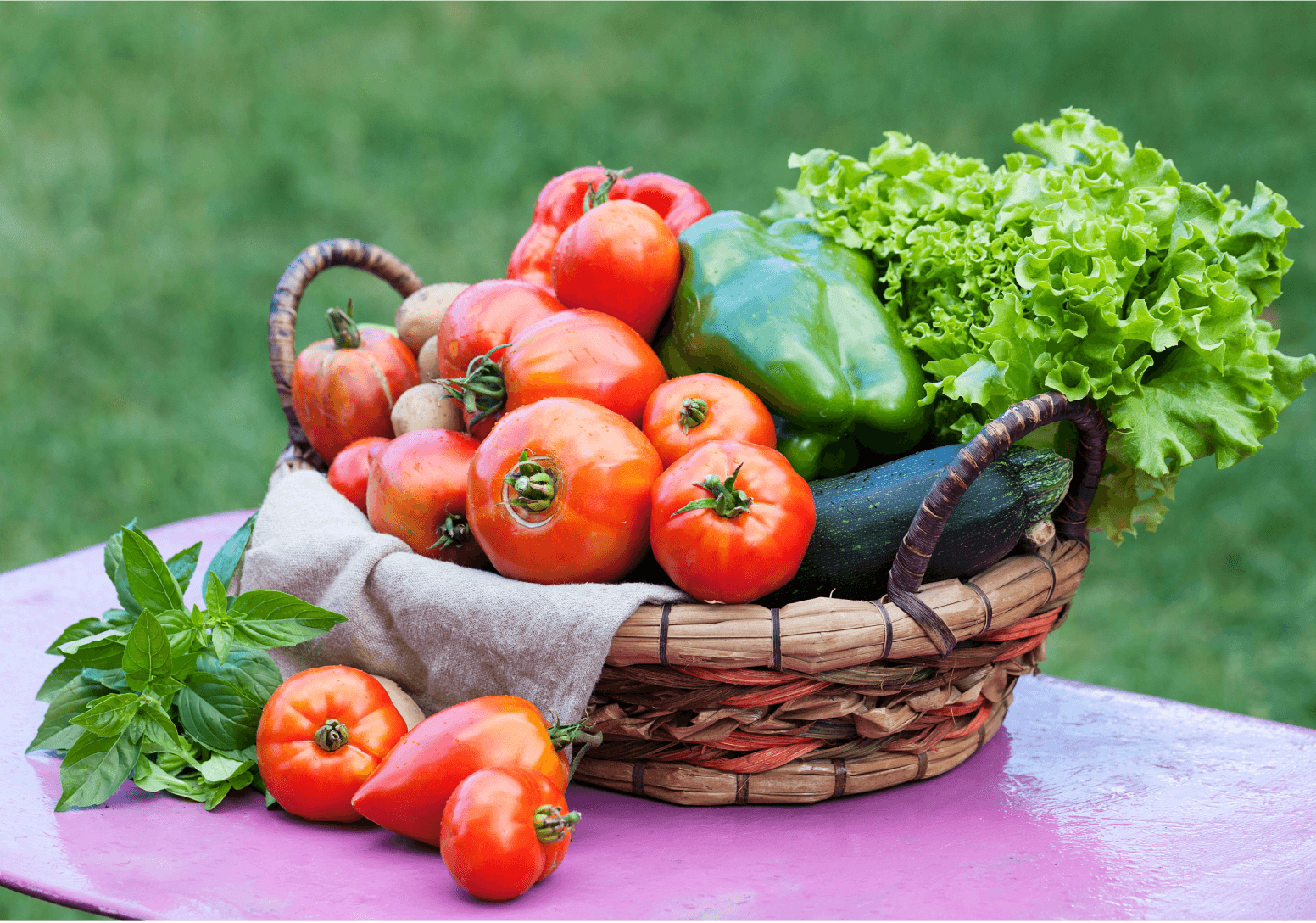

Make It Your Own
To turn your salad into a full meal, think beyond the bowl. Layer ingredients thoughtfully, mix textures, and include warm elements like roasted vegetables or grilled proteins for extra comfort and satisfaction.
Final Thoughts
A filling salad is all about balance, variety, and intention. With the right ingredients and smart combinations, salads can be nourishing, delicious, and truly satisfying. When built thoughtfully, they become meals that support your health while keeping you full and happy.
A truly satisfying salad is about more than just fresh greens—it’s about balance. By combining the right mix of proteins, healthy fats, fiber-rich vegetables, and wholesome carbohydrates, you can create a salad that keeps you energized, full, and satisfied for hours while still tasting amazing.
Essential Components of a Balanced Salad
Building a balanced salad starts with understanding what your body needs. A thoughtful combination of nutrients not only enhances flavor and texture but also helps control hunger and maintain steady energy levels throughout the day.
Key Ingredients:
Leafy greens like spinach, kale, or romaine for volume and nutrients
Protein sources such as grilled chicken, eggs, tofu, beans, or chickpeas
Healthy fats like avocado, olive oil, nuts, or seeds
Complex carbohydrates including quinoa, brown rice, or sweet potatoes
Tips for a Balanced Salad
Protein and fiber are the foundation of a satisfying salad. Protein helps repair and fuel your body, while fiber slows digestion, keeping you full longer and preventing energy crashes.
Quick Balanced salad Boosters
Small additions can make a big difference when it comes to fullness and flavor. These ingredients add texture, nutrition, and staying power without overwhelming your salad.
Roasted chickpeas or lentils
Nuts and seeds like almonds, walnuts, or pumpkin seeds
Whole grains such as farro or barley
Fresh herbs for flavor without extra calories
“A balanced salad fuels your body with protein, fiber, and healthy fats—keeping you full, energized, and satisfied long after the last bite
Make It Your Own
To turn your salad into a full meal, think beyond the bowl. Layer ingredients thoughtfully, mix textures, and include warm elements like roasted vegetables or grilled proteins for extra comfort and satisfaction.
Final Thoughts
A filling salad is all about balance, variety, and intention. With the right ingredients and smart combinations, salads can be nourishing, delicious, and truly satisfying. When built thoughtfully, they become meals that support your health while keeping you full and happy.